


Length Of Development
2nd October 2023 - 1st March 2024
Genre
Platformer
Software
UE5, Word, Excel, Forms, Teams, Photoshop, Premiere Pro
Trailer & Walkthrough
Project Overview
Monoman is a fun, challenging, monochromatic 2.5D side-scroller platformer with unique character movement that draws inspiration from the likes of Celeste, Inside and Mega Man 11.
My main objectives with this project was to create a cohesive & enjoyable game, cater for players of varied abilities and gaming experiences and implement a number of different design methods used to increase and maintain player engagement.
Key Contributions


-
The purpose of the storyboard was to help establish and set a narrative for the game.
-
The moodboards gave myself a good set of platformer references for various sections of the project such as mechanics or pacing.
Storyboard & Moodboards

-
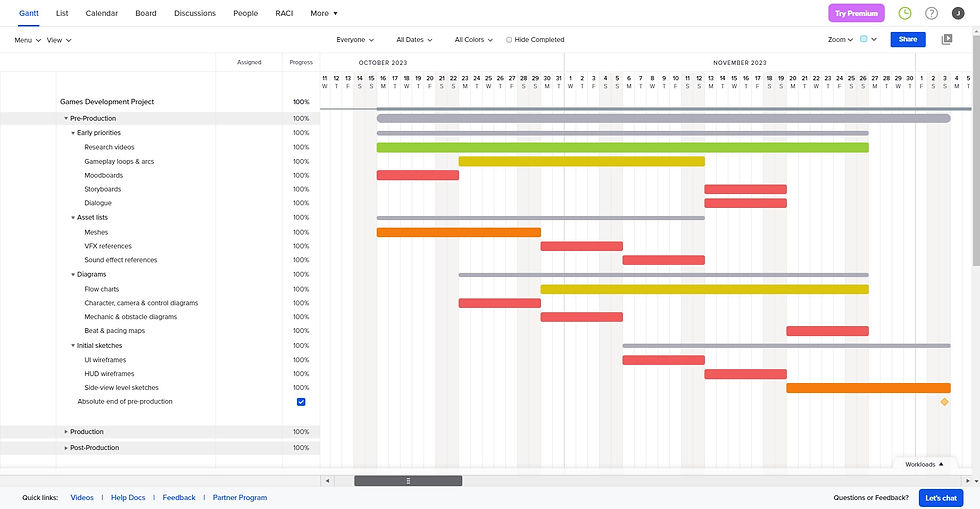
I utilised a pre-production heavy agile game development process so that I would be able to conduct extensive research.
-
The development timeline was split into weekly sprints that accustomed into balancing this project with my other modules efficiently.
Gantt Chart


-
I established core gameplay loops and arcs that you'd often find in most platformers.
-
Mario and Megaman were the specific games I looked into due to them being movement-based platformers.
Core Gameplay Loops & Arcs


-
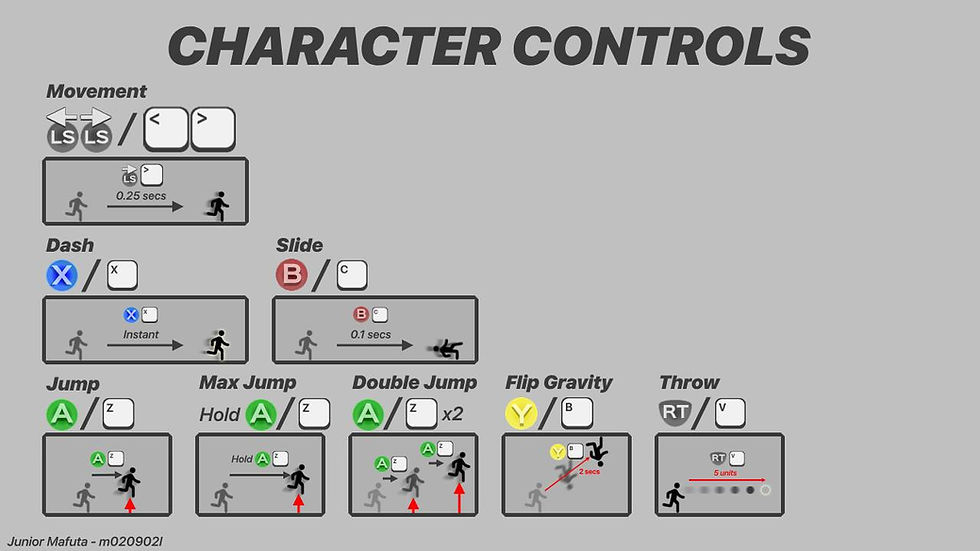
I looked into the camera, character and controls of similar platformers like Celeste, Megaman and Hollow Knight and used those to form the three Cs.
-
Adjustments were made to them after every round of playtesting - character movement in particular was important for me to get right due to the project's focus on cohesiveness and enjoyment.
Camera, Character & Controls


-
I created diagrams of a combination of both common and unique mechanics and obstacles found in platformers.
-
Gravity Guy and Velocity Noodle were some of my inspirations for these - I liked how movement-oriented the mechanics were.
Mechanics and Obstacles


-
I designed areas of the level in text before sketching out what sections within that area could look like.
-
This approach was inspired by a Steve Lee video and I found it to be quite useful for me.
Initial Level Rationale
-
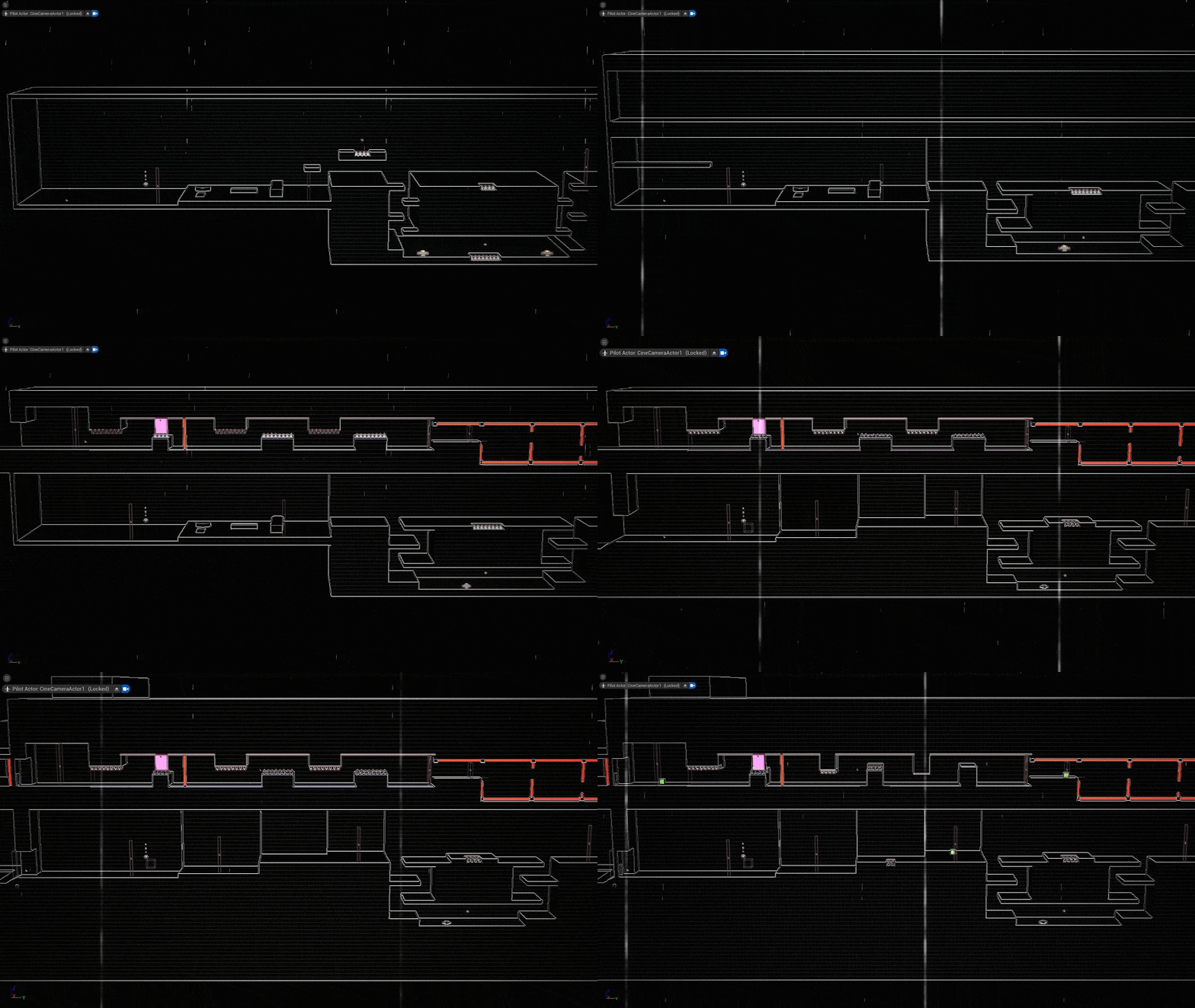
The sketches combined into full levels which I then implemented into Unreal.
-
Tweaks in character movement combined with feedback from playtesting resulted in many iterations.
Level Iteration
-
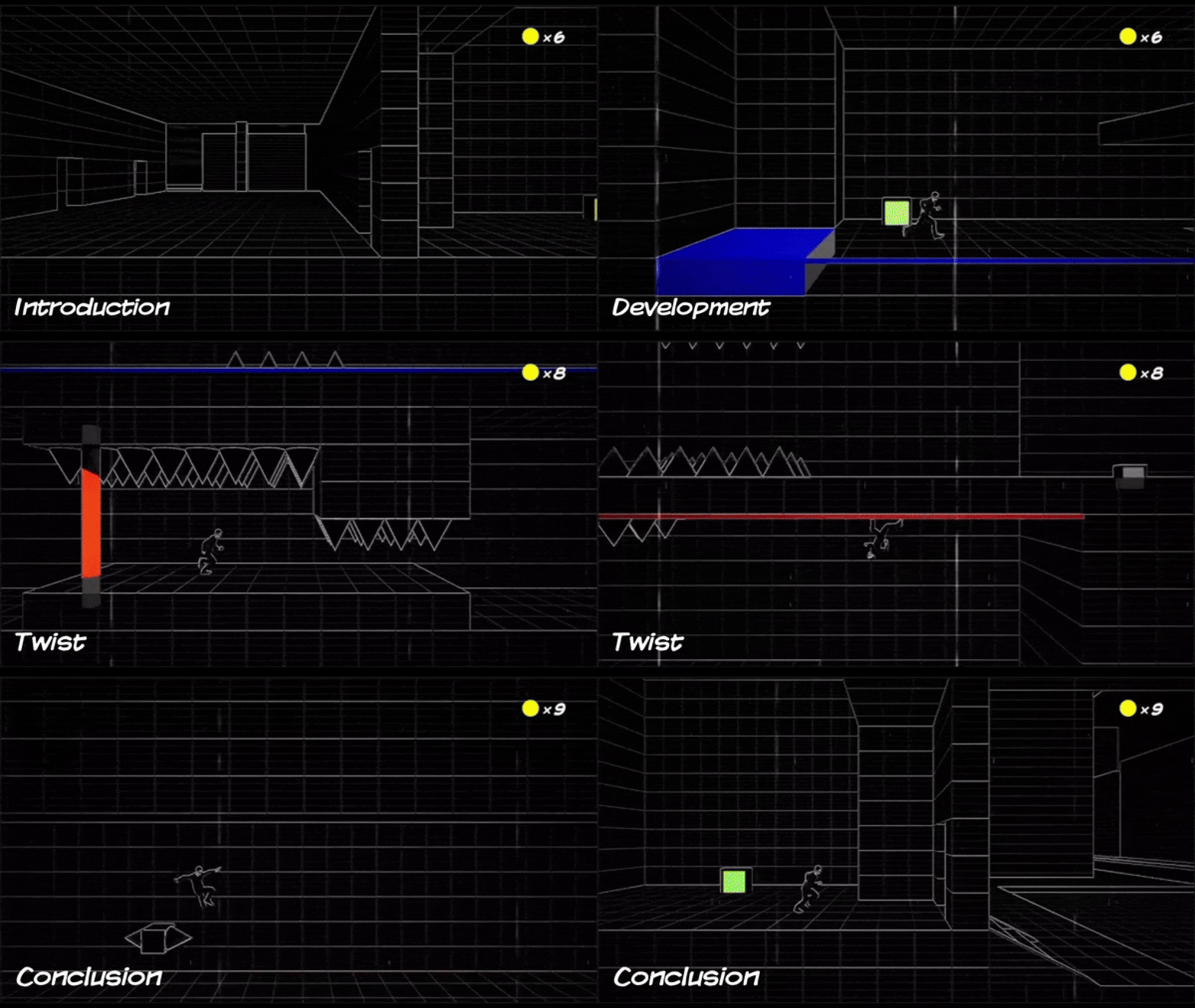
I introduced the chaser laser in a safe environment, used it later to increase the difficulty of a gravity section, brought back mini versions in a harder gravity section and parted ways with it at the end of that section.
-
This is a method often seen in Mario games as a way to use new obstacles to spice up the game.
Kishotenketsu Implementation
Post-Mortem


This is my end presentation slide deck. You can also click here to see the PDF of my design document.